Cleaning Products and Tools That Actually Work in a UK Home
Margaret Hollis · 19 Jul 2026
Walk down any supermarket cleaning aisle and you will find dozens of sprays, wipes, pastes and gadgets all promising remarkable results. Some deliver. Many do not. After cleaning homes across Norfolk and Suffolk day in and day out, our team has a clear picture of what actually makes a difference and what ends up sitting unused under the sink.
This guide covers the core products and tools worth having in your home, along with a few practical notes on how to use them properly.
The Cleaning Products Worth Buying
You do not need a cupboard full of specialist bottles. A small selection of reliable products will cover almost every surface in your home.
White vinegar
White vinegar is one of the most useful things you can buy, and it costs very little. Diluted with water in a spray bottle, it cuts through limescale on taps and showerheads, lifts grease from hob surrounds and removes soap scum from glass shower screens. It is particularly useful in hard-water areas, which covers much of Norfolk and Suffolk.
One important note: do not use white vinegar on natural stone surfaces such as marble or limestone. The acid in vinegar will etch and dull the surface over time. Stick to a pH-neutral cleaner for those.
Bicarbonate of soda
Bicarbonate of soda works well as a gentle abrasive for sinks, baths and oven interiors. Mixed into a paste with a small amount of washing-up liquid or water, it tackles stubborn staining without scratching. It also absorbs odours, which makes it useful inside fridges and on upholstered furniture.
A good washing-up liquid
A standard washing-up liquid diluted in warm water is perfectly effective for wiping down kitchen cupboard fronts, painted walls, skirting boards and most hard surfaces. Our team uses it regularly during deep cleaning jobs because it cuts through grease without leaving a damaging residue.
Bathroom and kitchen spray cleaners
There is a place for purpose-made spray cleaners, particularly for bathrooms. Look for one that handles limescale and soap scum, and another that is safe for enamel if you have an older bath. Avoid anything too acidic on chrome fittings.
For kitchens, a degreaser spray is useful around the hob and extractor fan. Use it sparingly and wipe away promptly so it does not sit on surfaces longer than needed.
Microfibre cloths
This is less a cleaning product and more a commitment to using the right cloth. Microfibre cloths genuinely outperform cotton cloths and paper towels on almost every surface. They pick up dust and bacteria rather than just pushing them around, and they leave glass and mirrors streak-free when used slightly damp. Buy a good supply and wash them regularly at 60 degrees to keep them hygienic.
The Tools That Make the Real Difference
Having the right tools saves a significant amount of effort. Our cleaners return to the same items time and again because they work reliably.
A steam cleaner
A decent handheld or cylinder steam cleaner is one of the most versatile tools you can own. Steam lifts grease from oven interiors, loosens grime from tile grout, sanitises toilet hinges and cleans upholstery without chemicals. It is particularly effective in period properties, which often have surfaces that respond poorly to harsh sprays.
You do not need an expensive model. A mid-range steam cleaner with a range of attachments is enough for most households.
A stiff grout brush
Tile grout is one of the most time-consuming things to clean, and a standard cloth will not do the job properly. A stiff-bristled grout brush, used with bicarbonate of soda paste or a dedicated grout cleaner, makes a visible difference quickly. It is a small tool that takes up almost no space but earns its place every time.
A squeegee
For shower screens and windows, a good rubber squeegee is far more effective than wiping with a cloth. A single pass leaves the surface streak-free in a way that cloths rarely manage. Keep one in the shower and use it after every wash to prevent soap scum and limescale building up in the first place.
A vacuum with proper suction
For carpets and soft furnishings, suction matters more than any spray. An older or underpowered vacuum leaves fine dust and allergens behind regardless of how many passes you make. If your vacuum is more than ten years old and struggles on carpets, replacing it will have more impact on your home's cleanliness than almost any product you could buy.
A good mop
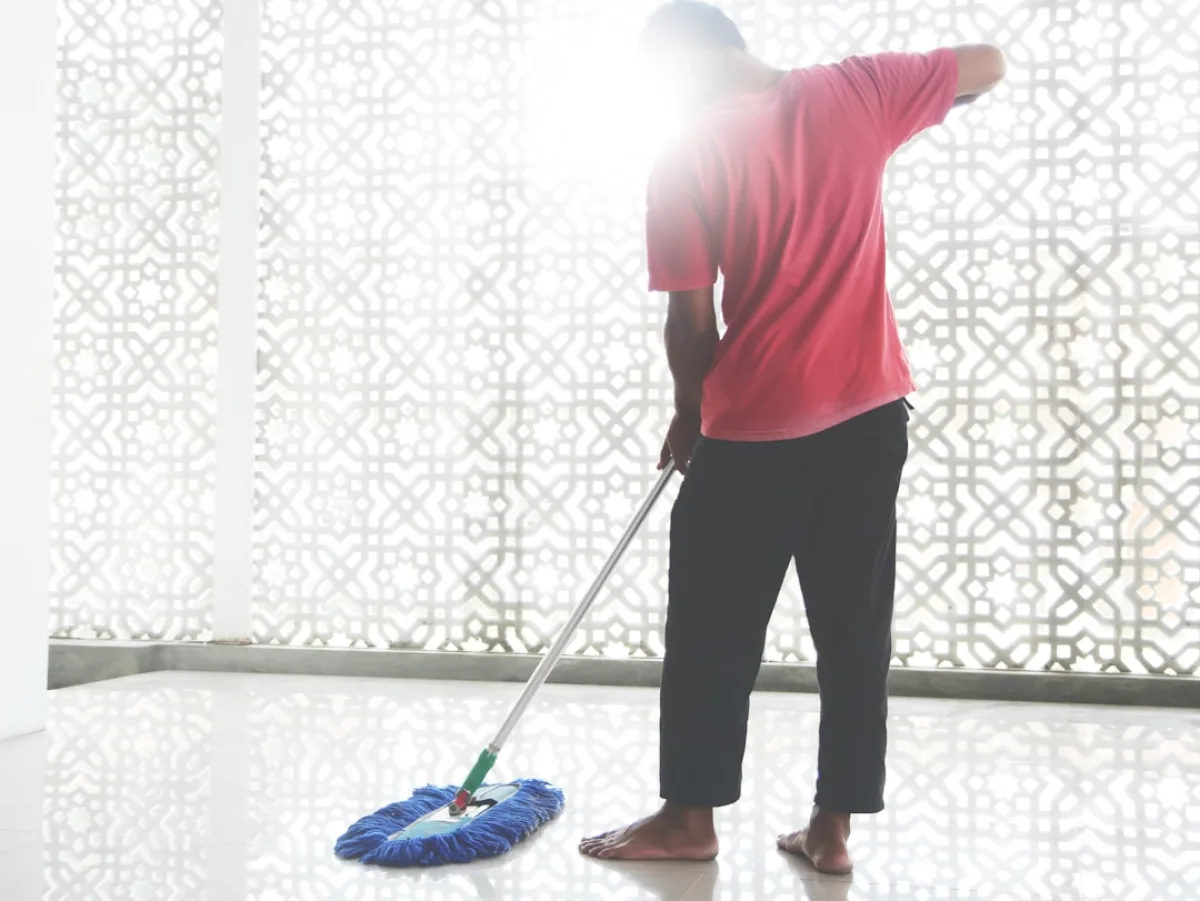
Flat-head microfibre mops give a far better result on hard floors than traditional string mops. They cover a larger area, dry faster and do not push dirty water around in the same way. For heavily soiled floors, especially after building work or a move, a separate bucket with clean water for rinsing makes a considerable difference to the end result.
A Few Things to Stop Buying
Some products are heavily marketed but deliver very little in practice. Scented surface wipes feel satisfying to use but rarely clean properly. They spread rather than remove grease and dry out quickly. Antibacterial kitchen spray is similarly oversold for most household use. Standard cleaners, used correctly, are sufficient for everyday cleaning.
Bleach is useful in specific situations, particularly for sanitising toilets or treating mould in poorly ventilated areas. It should not, however, be used on everything as a shortcut. Overusing bleach can damage grout, fade coloured surfaces and cause problems on chrome fittings over time.
When Products and Tools Are Not Enough
There are times when a thorough clean goes beyond what any product can achieve on its own. An end-of-tenancy clean, a post-renovation tidy-up or simply a property that has not had a proper deep clean in some time often needs more than a good set of tools.
Our team carries out end-of-tenancy cleaning and one-off deep cleans across Norfolk and Suffolk. If you would like to know more about what we cover, take a look at our frequently asked questions or browse our full range of services.
Getting the basics right with good products and the right tools makes a genuine difference to how your home looks and feels day to day. Keeping things simple, consistent and appropriate for the surface you are cleaning is almost always more effective than spending money on the newest product on the shelf.
Related advice

Post-Christmas Tenancy Reset: How to Get Your Rental Property Back in Shape
The Christmas period can leave a rental property looking worse for wear. Whether you are preparing to move out or tidying up after the festivities, here is how to get every room back to the standard your landlord or letting agent expects.
26 Jul 2026
Read More
The Best Cleaning Products and Tools for an End of Tenancy Clean
Using the right products and tools makes a real difference when you are handing back a rental property. We share what our cleaners actually reach for when tackling an end of tenancy clean.
25 Jul 2026
Read More
How to Measure Cleaning Standards in Your Business Premises
Keeping your workplace clean is one thing — knowing whether your cleaning is actually hitting the mark is another. Here is how to measure and maintain cleaning standards across your business premises in Norfolk and Suffolk.
24 Jul 2026
Read More