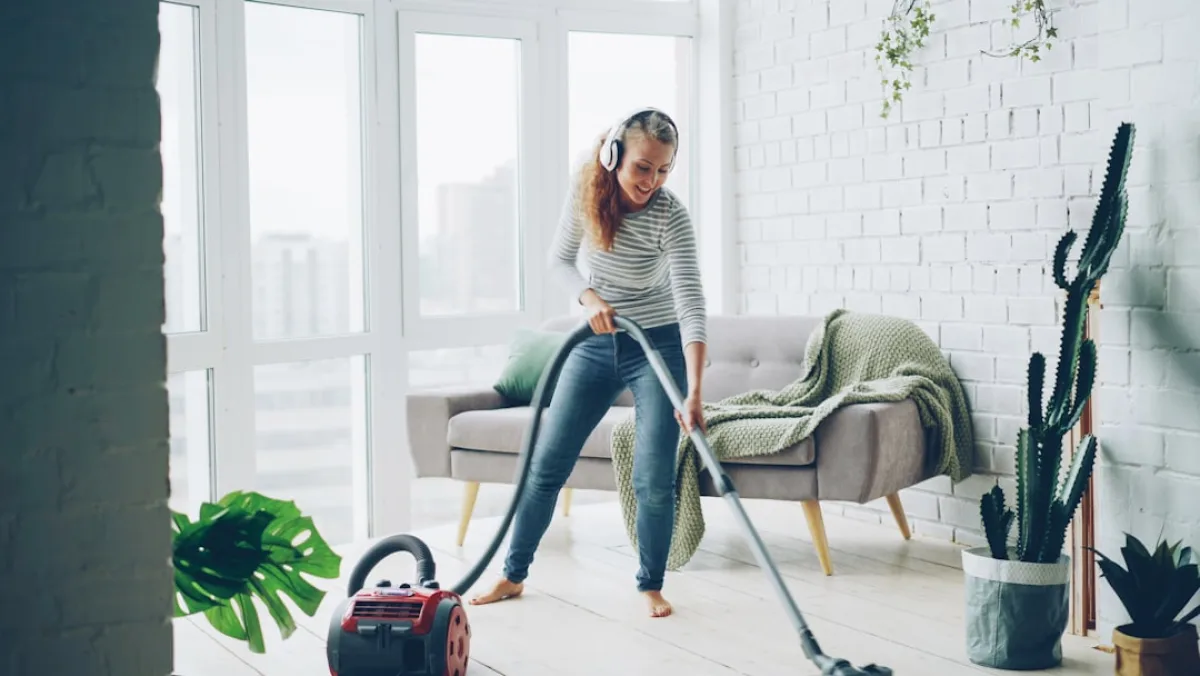
Moving Day Last Clean Checklist: Everything You Need to Do Before You Hand Over the Keys
Margaret Hollis · 20 Jul 2026
Moving day has a habit of arriving faster than expected. Boxes are packed, the van is booked, and then someone realises the oven looks like it has never been cleaned in its life. We have seen it many times. A solid last clean checklist stops that panic from setting in and helps you leave the property in a state you are genuinely proud of.
Whether you are handing back a rented home to your landlord or selling a property, a thorough clean at the end protects your deposit, your reputation with buyers, and your own peace of mind. Below is the checklist our team works through, along with advice on when it makes sense to bring in extra help.
Before You Start: Get the Order Right
Cleaning a property you are moving out of is different to your regular weekly tidy. You are working in an empty or nearly empty space, which actually makes things easier in some rooms. The golden rule is to work from top to bottom and back to front, finishing at the front door. That way you are not walking over freshly mopped floors or knocking dust onto surfaces you have already wiped.
Gather everything you will need before you begin. You do not want to stop halfway through to nip to a shop. A basic kit should include:
- An all-purpose spray cleaner
- A bathroom and toilet cleaner
- Oven cleaner or a heavy-duty degreaser
- Glass cleaner
- Microfibre cloths in a couple of sizes
- A mop and bucket
- A vacuum with a crevice attachment
- Rubber gloves
- Bin bags
If you are short on time or the property needs more than a surface clean, our end of tenancy cleaning service covers everything on this list and more, so you can focus on the move itself.
Room-by-Room Checklist
Kitchen
The kitchen is almost always the most time-consuming room. Give yourself plenty of time here.
- Oven and hob: Apply oven cleaner and leave it to work while you do other tasks. Come back and scrub the racks, interior walls, and door glass. Wipe the hob rings and burner caps thoroughly.
- Extractor hood and filter: Grease builds up here quickly. Soak removable filters in hot soapy water if possible.
- Fridge and freezer: Defrost the freezer the night before if you can. Wipe all internal shelves and drawers with a mild solution of bicarbonate of soda and warm water to remove odours.
- Cupboards and drawers: Empty them completely and wipe down all surfaces inside and out, including door handles and hinges.
- Sink and taps: Descale the tap and clean the plughole. In hard-water areas like parts of Norfolk and Suffolk, limescale builds up fast and needs a proper descaler rather than just a wipe.
- Worktops and splashback: Clear everything off and wipe down thoroughly, paying attention to corners and the area behind the taps.
- Floors: Sweep or vacuum first to pick up crumbs, then mop.
Bathrooms and WC
- Toilet: Clean under the rim, the bowl, the seat, the hinge area, and the outside of the cistern. People often forget the base of the toilet where it meets the floor.
- Bath and shower: Scrub away soap scum and treat any mould around the sealant. If the sealant is badly discoloured, a bleach pen can help, but this is not a quick job.
- Tiles and grout: Use an appropriate tile cleaner and a grout brush if needed. In coastal properties, damp conditions can cause grout to stain more deeply.
- Sink and vanity: Wipe the basin, taps, and any mirror or cabinet fronts.
- Extractor fan: Remove the cover if you can and clear out any dust.
- Floor: Mop last.
Bedrooms and Living Rooms
- Walls and skirting boards: Check for scuffs and marks. Many can be lifted with a damp microfibre cloth or a little diluted washing-up liquid.
- Windows and sills: Wipe sills inside, clean the glass on both sides where accessible, and vacuum any window tracks.
- Wardrobes and built-in storage: Vacuum the floors inside and wipe shelves.
- Light fittings and switches: Dust ceiling roses and wipe switch plates. Always turn the power off at the socket before wiping electrical fittings.
- Carpets: Vacuum thoroughly with slow, overlapping passes. If there are stains, treat them before you vacuum so they have time to lift.
- Hard floors: Sweep, then mop. Move in the direction of any wood grain on timber floors.
Hallway, Stairs and Landing
- Vacuum carpeted stairs carefully using the crevice tool on each step.
- Wipe banisters and handrails.
- Clean the front door, letterbox, and any glazed panels.
- Wipe down the skirting boards the full length of the hallway.
Outside and Additional Areas
- Empty and wipe out any outbuildings, garden sheds, or garages covered by the tenancy or sale.
- Clear any rubbish from the garden and remove anything you do not want to leave behind.
- Sweep patios and paths if that is expected under your tenancy agreement.
Easy Things People Miss on Moving Day
Even careful people tend to overlook a few spots when they are tired and distracted. Our cleaners always double-check these:
- Behind and underneath radiators
- The top of door frames and kitchen cabinets
- Inside the washing machine drum and the detergent drawer
- The seal around the washing machine door
- Inside the dishwasher, including the filter at the bottom
- Plug sockets and light switches that have accumulated grime
- Curtain tracks and the tops of curtain poles
- The inside of the tumble dryer drum and the lint filter
When to Book Professional Help
There is no shame in deciding the job is bigger than one person with a mop and a bottle of spray. If the property has not been cleaned thoroughly in a while, if there is heavy limescale or grease buildup, or if you simply do not have the time on top of the practicalities of moving, a professional clean is a sensible investment.
Our one-off cleaning service is designed exactly for situations like this. We can come in once the property is empty and work through the entire place systematically, leaving it in a condition that stands up to landlord or estate agent inspection.
If you are based in the region, you can check where we cover across Norfolk and Suffolk to see whether we can help with your move. Our team works across both counties and understands the types of properties common to the area, from Victorian terraces to coastal bungalows, each of which comes with its own cleaning challenges.
For any questions about what is included in our moving clean or how to prepare for our visit, take a look at our frequently asked questions page.
A Few Final Tips
Leave cleaning supplies behind until everything else is loaded on the van. You will almost certainly need them for a final pass once the furniture is out and you can see what was hidden behind sofas and beds.
Take photographs of every room after cleaning. If there is any dispute over the condition of the property, dated photos are your best evidence.
And do not forget to clean as you go if you are doing the move yourself. Wiping surfaces and vacuuming as each room empties is far easier than facing the whole property at the end of a long day.
Related advice
Post-Christmas Tenancy Reset: How to Get Your Rental Property Back in Shape
The Christmas period can leave a rental property looking worse for wear. Whether you are preparing to move out or tidying up after the festivities, here is how to get every room back to the standard your landlord or letting agent expects.
26 Jul 2026
Read More
The Best Cleaning Products and Tools for an End of Tenancy Clean
Using the right products and tools makes a real difference when you are handing back a rental property. We share what our cleaners actually reach for when tackling an end of tenancy clean.
25 Jul 2026
Read More
How to Measure Cleaning Standards in Your Business Premises
Keeping your workplace clean is one thing — knowing whether your cleaning is actually hitting the mark is another. Here is how to measure and maintain cleaning standards across your business premises in Norfolk and Suffolk.
24 Jul 2026
Read More